
How to Respond to Negative Google Reviews (With Examples)
To respond to negative Google reviews effectively, acknowledge the customer's concern promptly, apologize sincerely without making excuses, offer a specific solution or next step, and invite them to continue the conversation offline. A professional, empathetic response shows both the reviewer and potential customers that you take feedback seriously and are committed to improvement.
Negative reviews happen to every business. While they're never pleasant to receive, how you respond matters far more than the review itself. Prospective customers read your responses to gauge your professionalism, customer service standards, and willingness to make things right.
Why Responding to Negative Reviews Matters
When someone leaves a critical review, they're usually frustrated and want to be heard. A thoughtful response demonstrates that you value customer feedback and take accountability. More importantly, potential customers reading reviews later will see how you handle problems, which often influences their decision more than the complaint itself.

Ignoring negative reviews signals indifference. Responding defensively damages your reputation further. But a calm, solution-focused reply can actually strengthen trust and sometimes even convince the original reviewer to update their feedback.
The Five-Step Response Framework
Step 1: Respond quickly. Aim to reply within 24-48 hours. This shows you're attentive and care about the issue.
Step 2: Start with gratitude and acknowledgment. Thank them for their feedback and acknowledge their specific concern. Use their name if provided.
Step 3: Apologize sincerely. A genuine apology goes a long way. Avoid phrases like "We're sorry you feel that way," which sound dismissive. Instead, say "We're sorry this happened" or "We apologize for falling short."
Step 4: Explain briefly (if appropriate) and offer a solution. If there was a misunderstanding, clarify politely without arguing. Offer a concrete next step: a refund, replacement, follow-up call, or invitation to return.
Step 5: Take it offline. Provide contact information so you can resolve the matter privately. This protects both parties' privacy and shows professionalism.
Response Template and Real Example
Here's a simple template you can adapt:
"Hi [Name], thank you for sharing your feedback. We're truly sorry to hear about [specific issue]. This doesn't reflect the experience we strive to provide. We'd like to make this right—please contact us at [email/phone] so we can [specific action]. We appreciate the opportunity to improve."
For example, if a customer complains about slow service at your café:
"Hi Sarah, thank you for your honest feedback. We're sorry you experienced a long wait during your visit. That's not the standard we hold ourselves to, especially during busy periods. We're reviewing our staffing to prevent this. Please reach out to us at cafe@example.com—we'd love to offer you a compliment on your next visit. We hope to serve you better next time."
Common Mistakes to Avoid
Don't get defensive or argue, even if the review seems unfair. Never share private customer information in your response. Avoid generic, copy-paste replies—personalize each response to the specific concern. And resist the urge to ask them to remove their review, which can backfire and violate Google's policies.
Also, don't ignore fake or malicious reviews. Report them through Google's review management tools, but if they remain visible, a brief, professional response stating the facts can help mitigate damage.
Turning Reviews Into Opportunities
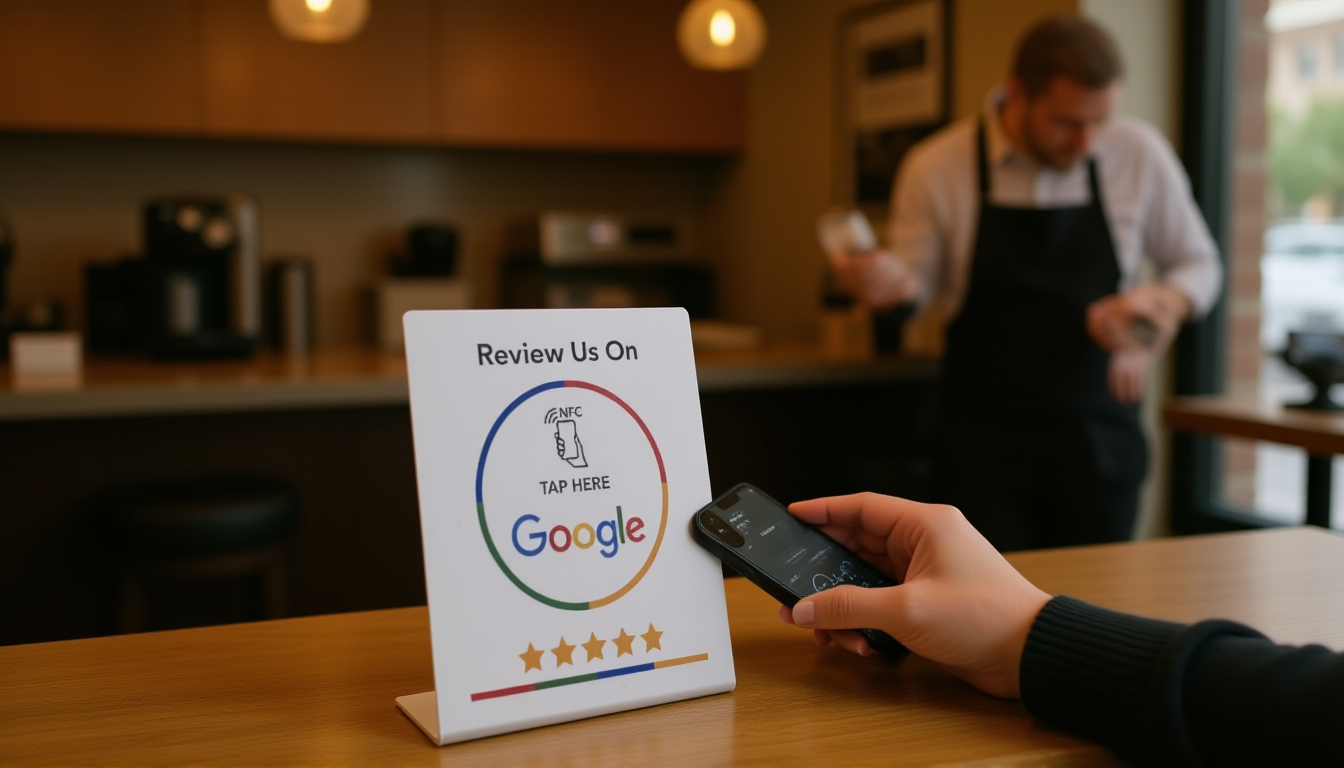
Making it easier for satisfied customers to leave positive reviews helps balance occasional negative feedback. Tools like NFC review cards placed at your checkout counter or reception desk allow happy customers to leave a Google review with a simple tap of their phone, building a steady stream of authentic feedback without pestering or complicated processes.
Remember, negative reviews offer valuable insights into what needs improvement. Track recurring themes in critical feedback and use that information to refine your operations, training, or communication. When handled well, a negative review becomes an opportunity to demonstrate your commitment to excellence.
Quick Tip: Create response templates for common issues (slow service, product quality, billing problems) and customize them for each review. This saves time while ensuring consistency and thoroughness in your replies.
Frequently Asked Questions
Should I respond to every negative Google review?
Yes, you should respond to every legitimate negative review. It shows you're engaged and care about customer feedback. Keep responses professional, brief, and solution-focused.
Can I ask Google to remove a negative review?
You can report reviews that violate Google's policies (spam, fake, offensive content, conflicts of interest), but you cannot remove reviews simply because they're negative or critical. Google will only remove policy-violating content.
How long should my response to a negative review be?
Keep responses concise—typically 50-100 words. Acknowledge the issue, apologize, offer a solution, and provide contact information for offline resolution. Longer responses can seem defensive or over-explanatory.
Ready to collect more reviews?
The ReviewCard ships across Europe, starting at €24.95. No subscription, ever.
See pricing