
NFC Technology for Small Business: A Practical Guide
Near Field Communication (NFC) technology has quietly become one of the most practical tools available to small businesses. You've probably used it yourself—tapping your phone to pay at a checkout counter or scanning your transit card. But beyond payments, NFC offers small businesses affordable ways to improve customer experience, gather feedback, and operate more efficiently without requiring expensive infrastructure or technical expertise.
What Makes NFC Practical for Small Businesses
NFC works through short-range wireless communication between two devices—typically within a few centimeters. For small business owners, the appeal is simple: customers already have the required hardware in their pockets. Modern smartphones have NFC built in, which means you don't need to convince customers to download an app or learn a new system. They simply tap their phone near an NFC-enabled item, and the connection happens instantly.
The technology requires minimal setup. Unlike QR codes that need to be scanned with a camera app, NFC works even when a phone is locked. Unlike Bluetooth, it doesn't require pairing or permissions. This simplicity translates to fewer friction points—customers can interact with your business more easily, and you spend less time troubleshooting or explaining how things work.
Real-World Applications That Actually Matter
Small businesses are using NFC in surprisingly diverse ways. Restaurants place NFC tags on tables so diners can instantly view menus, access nutritional information, or split bills. Retail stores use NFC tags on product displays to provide detailed specifications or styling suggestions without cluttering physical space with signage.
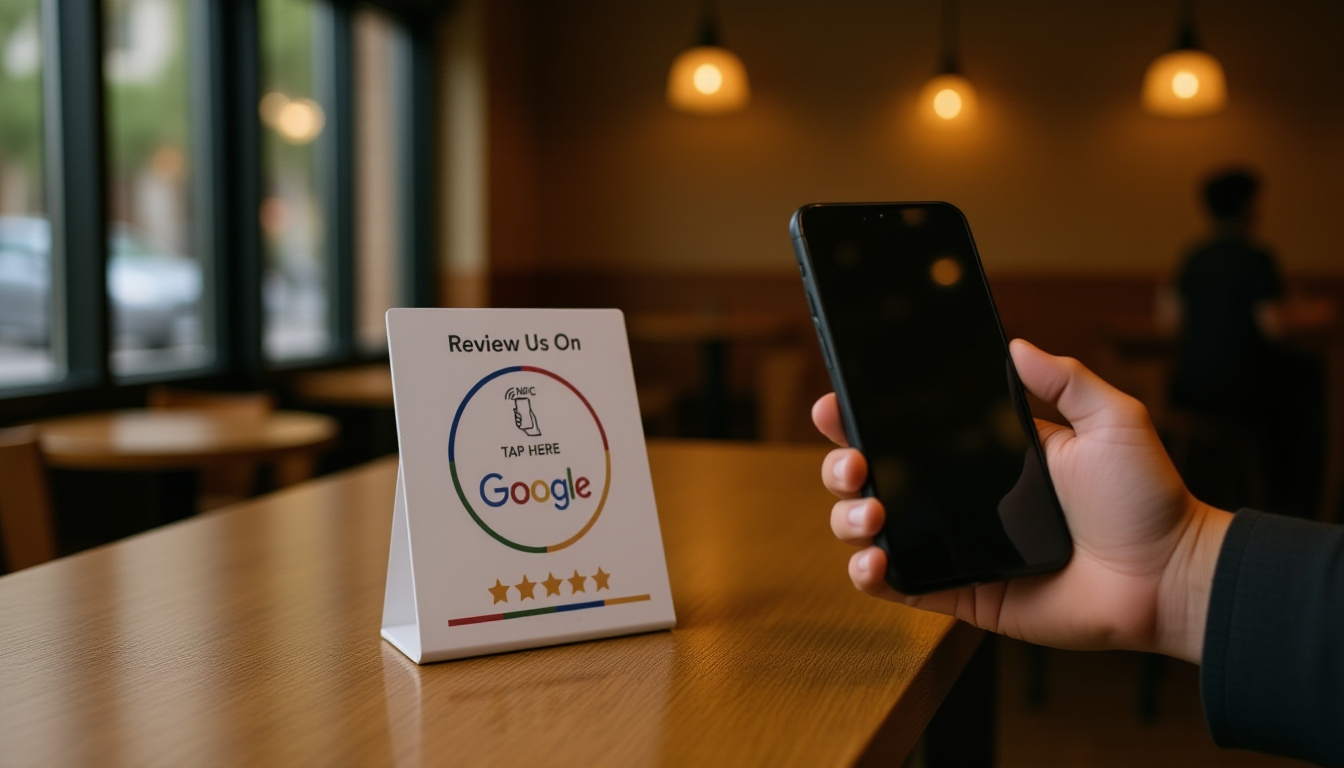
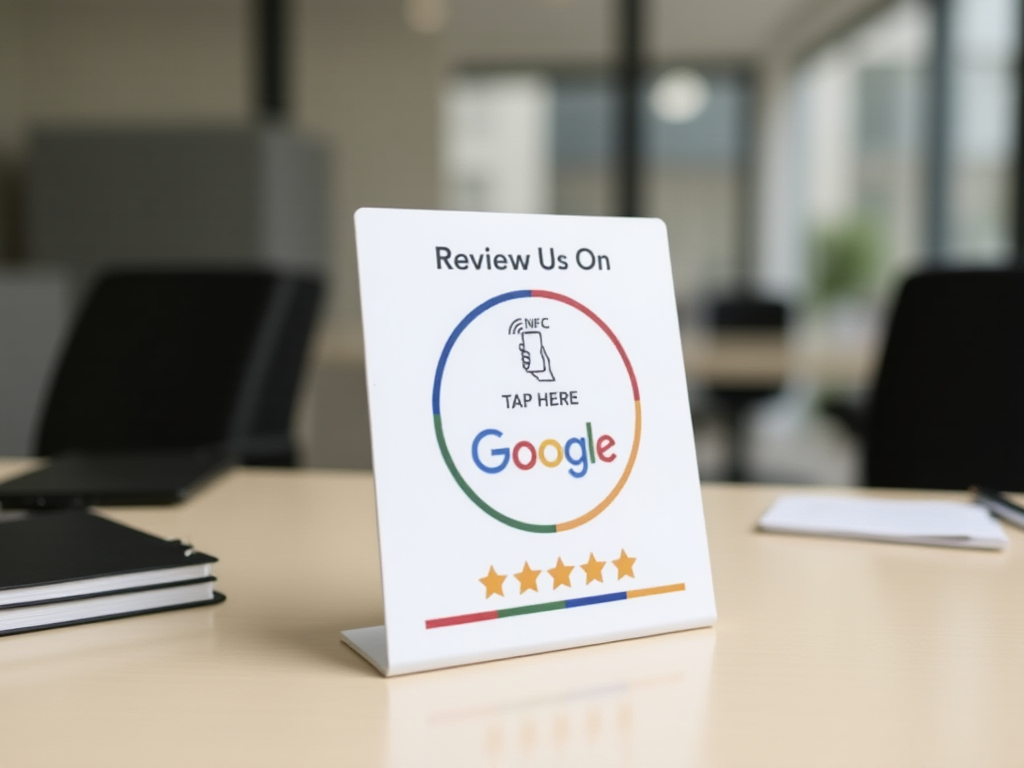
One particularly effective application is feedback collection. Traditional feedback methods—printed cards, emailed surveys, QR codes—all add steps that reduce participation. NFC review cards, for instance, let satisfied customers tap their phone and land directly on your Google review page in seconds. When you've just delivered great service and a customer says "I'll definitely leave you a review," you can point to the card on your counter and say "You can do it right now if you'd like." The immediacy dramatically increases follow-through.
Service businesses use NFC tags to share Wi-Fi credentials instantly—no more scribbling passwords on sticky notes. Real estate agents embed NFC tags in property signs so interested buyers can tap for detailed listings, photo galleries, and contact information without fumbling with tiny text on a sign.
Cost Considerations and Setup Reality
One of NFC's biggest advantages for small businesses is the low barrier to entry. Basic NFC tags cost mere cents each and can be programmed with free smartphone apps. More sophisticated solutions like dedicated review cards or custom NFC products typically range from $25 to $200, depending on quality and features—a fraction of what traditional marketing or customer engagement tools cost.
There's no monthly subscription for the technology itself to work. You buy the physical NFC item once, program it with your desired link or action, and it continues working indefinitely. Compare this to digital advertising, loyalty program software, or other customer engagement platforms that require ongoing payments.
Setup genuinely takes minutes. You decide what action you want the NFC tag to trigger (opening a website, displaying contact information, leaving a review), use a programming app to write that instruction to the tag, and place it where customers will see it. No IT department needed.
Privacy and Customer Trust
Small businesses rightly worry about customer privacy. The good news: NFC technology is inherently more privacy-friendly than many alternatives. It requires deliberate physical proximity—customers must intentionally bring their phone close to the NFC item. Unlike Bluetooth beacons that can track customers throughout a store, or email collection that creates data liability, NFC interactions are one-time and don't automatically collect personal information.
When a customer taps an NFC review card, for example, they're simply directed to a webpage. No data about that customer is captured unless they choose to take action on that page. This opt-in nature makes customers more comfortable engaging with the technology.
Making NFC Work for Your Business
The most successful small business implementations of NFC share a common trait: they remove friction from actions customers already want to take. Don't use NFC just because it's trendy. Use it to eliminate steps in processes that matter to your business.
If you struggle to get reviews, place an NFC review card at your point of sale or exit. If customers frequently ask for your website or social media, put an NFC tag where they wait. If you want to share detailed product information without overwhelming your physical space, tag your displays. The technology succeeds when it makes something easier, not when it adds novelty for its own sake.
Quick Implementation Tip: Start with one clear use case rather than trying to deploy NFC everywhere at once. Test it for two weeks, observe how customers interact with it, and refine your approach before expanding. The businesses that get the most from NFC are those that implement thoughtfully, not ambitiously.
NFC technology isn't a magic solution, but it is a practical one. For small businesses looking to improve customer experience without significant investment or technical complexity, it deserves serious consideration. The customers who will use it are already carrying the only device they need.
Ready to collect more reviews?
The ReviewCard ships across Europe, starting at €24.95. No subscription, ever.
See pricing