
NFC vs QR Code Marketing: Which Works Best in 2024?
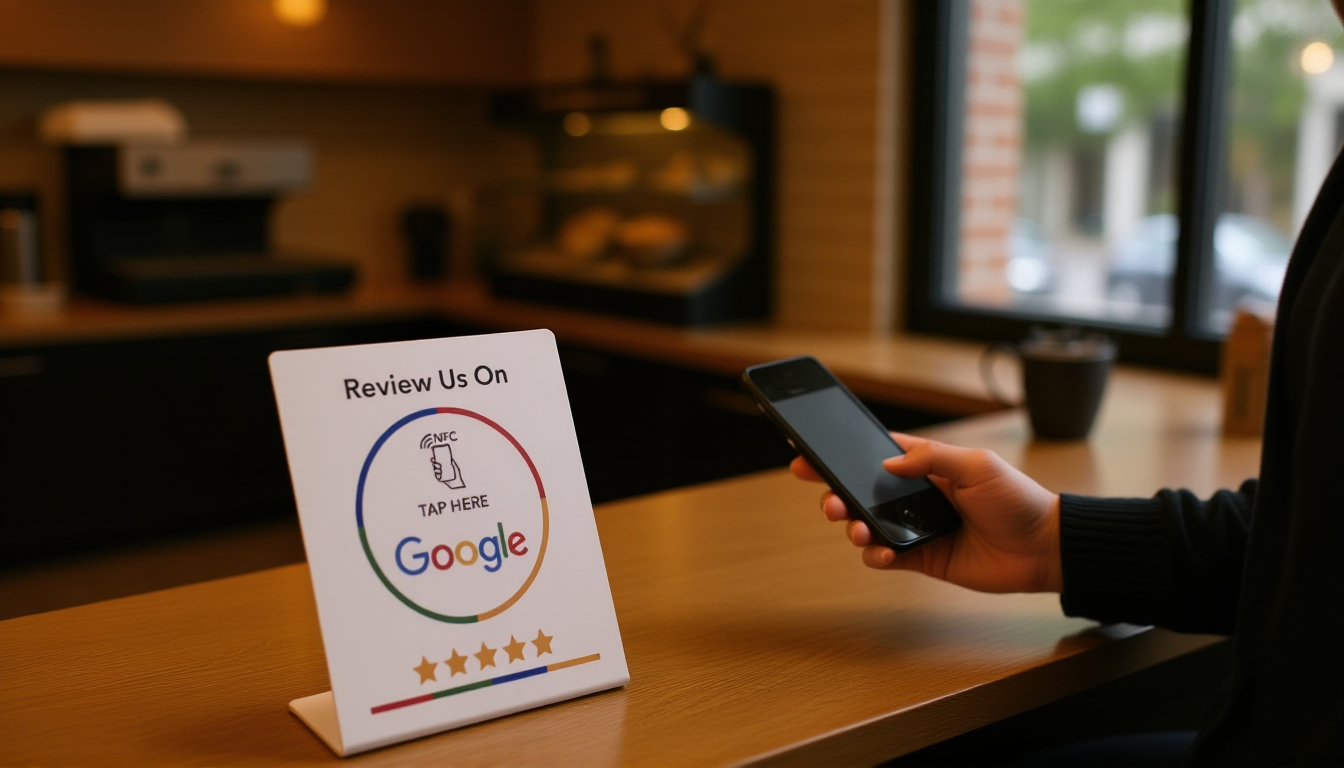
When it comes to bridging the gap between physical locations and digital engagement, two technologies dominate the conversation: NFC and QR codes. Both promise to connect customers to your online presence with a simple tap or scan, but they work very differently and deliver distinct experiences. If you're trying to decide which technology fits your business best, understanding the practical differences matters more than the hype.
How NFC and QR Codes Actually Work
NFC (Near Field Communication) uses short-range wireless technology. Customers simply hold their smartphone near an NFC-enabled tag or card, and the connection happens automatically—no app required on most modern phones. The interaction takes about one second and feels almost invisible.
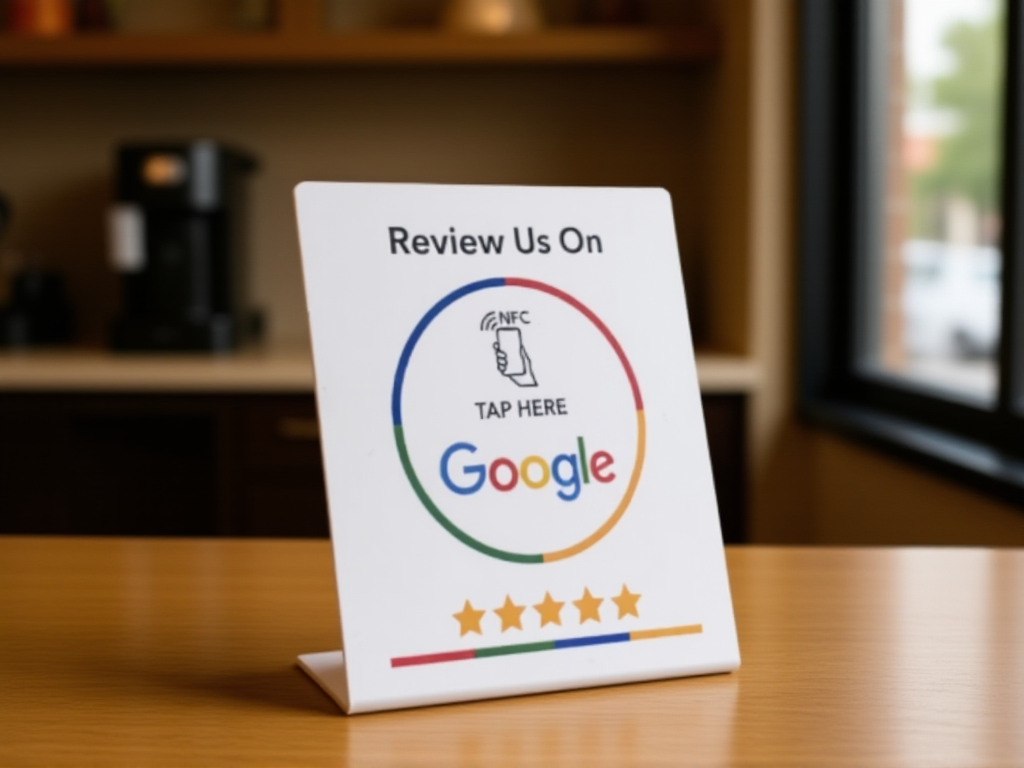
QR codes, by contrast, require customers to open their camera app, point it at the code, wait for recognition, then tap the notification that appears. It's a multi-step process that typically takes 5-10 seconds, and it doesn't always work smoothly depending on lighting, code size, or camera quality.
The fundamental difference is friction. NFC removes steps from the customer journey, while QR codes add them.
Customer Experience and Completion Rates
Here's where theory meets reality: what percentage of customers who notice your call-to-action actually complete it?
With NFC, completion rates tend to be significantly higher because the action is intuitive and fast. When a customer sees an NFC review card on a counter with clear instructions, the tap-and-done simplicity encourages follow-through. There's no fumbling with apps or worrying about camera focus.
QR codes suffer from what behavioral researchers call "friction-induced abandonment." Each extra step—opening the camera, positioning the phone correctly, waiting for recognition—creates another opportunity for the customer to change their mind or get distracted. In busy retail or service environments, those seconds matter.
The experience quality also differs. NFC feels modern and seamless, while QR codes, despite their COVID-era resurgence, still feel like a workaround rather than an elegant solution.
Cost and Implementation Considerations
QR codes win on upfront cost—you can generate one for free and print it anywhere. That's appealing for businesses testing the waters or working with tight budgets.
NFC requires physical hardware. An NFC tag or card costs more initially, but the investment is still modest for most small businesses. The real question isn't just what you spend, but what return you get on that spend.
If a QR code generates 10 interactions because of low completion rates, and an NFC card generates 30 interactions from the same traffic because the experience is frictionless, the slightly higher cost of NFC delivers better ROI. You're not just buying technology—you're buying customer action.
Implementation is straightforward for both. NFC cards like review collection stands require no installation beyond placing them on your counter. QR codes need to be printed large enough to scan easily, and you'll want to test them in your actual lighting conditions before committing to a print run.
Durability and Professional Appearance
A printed QR code fades, tears, gets covered in stains, or becomes unreadable when lamination scratches. In real-world business environments—coffee shops, salons, retail counters—wear and tear happens fast.
NFC cards and tags are typically more durable. A solid review card on a small stand maintains its professional appearance much longer than paper printouts. It signals that you've invested in the customer experience, not just taped up a DIY solution.
First impressions matter. Customers form judgments about your business based on every detail, and a crisp, clean NFC card stand communicates more professionalism than a wrinkled QR code printout.
Which Technology Fits Your Business?
Choose QR codes if you need a temporary solution, want to test multiple placements quickly, or are distributing marketing materials where NFC isn't practical (like posters or flyers). They work fine when customers are already motivated and have time to scan.
Choose NFC when you want maximum engagement from foot traffic, when you're asking for actions that require a bit of customer effort (like leaving a review), or when customer experience and brand perception matter. The technology works best in fixed locations where you control the environment—counters, reception desks, or checkout areas.
For collecting Google reviews specifically, NFC review cards consistently outperform QR codes because they reduce the effort required at precisely the moment when customers are most willing to help but also most ready to leave.
Both NFC and QR codes have legitimate uses in modern marketing. The best choice depends on your specific goals, customer behavior, and how much you value completion rates versus initial cost. For many small businesses focused on meaningful customer engagement rather than just reach, NFC's friction-free experience justifies the modest additional investment.
Ready to collect more reviews?
The ReviewCard ships across Europe, starting at €24.95. No subscription, ever.
See pricing