
NFC vs QR Code Marketing: Which Works Best in 2024?
Contactless technology has transformed how businesses connect with customers. Two solutions dominate the landscape: NFC (Near Field Communication) and QR codes. Both promise quick, seamless interactions, but they work differently and serve distinct purposes. Understanding these differences helps you choose the right tool for your marketing goals.
How NFC and QR Codes Actually Work
NFC uses radio frequency to exchange data between devices within a few centimeters. A customer simply holds their smartphone near an NFC-enabled surface, and the action triggers instantly—no app required on most modern phones. The technology works through electromagnetic induction, creating a secure, fast connection.
QR codes, by contrast, are visual patterns that cameras decode. Users must open their camera app, point it at the code, wait for recognition, then tap a notification to proceed. While this extra step takes only seconds, it requires deliberate action and decent lighting conditions.
The User Experience Factor
Speed matters in customer interactions. NFC delivers near-instant results—customers tap and go. This frictionless experience works particularly well in high-traffic environments where every second counts. There's no fumbling with camera apps or adjusting angles to get a clear scan.
QR codes require more conscious effort. Customers must recognize the code, understand what to do, pull out their phone, and complete multiple steps. However, QR codes have become more familiar since 2020, when contactless solutions became mainstream. Most smartphone users now understand how they work.
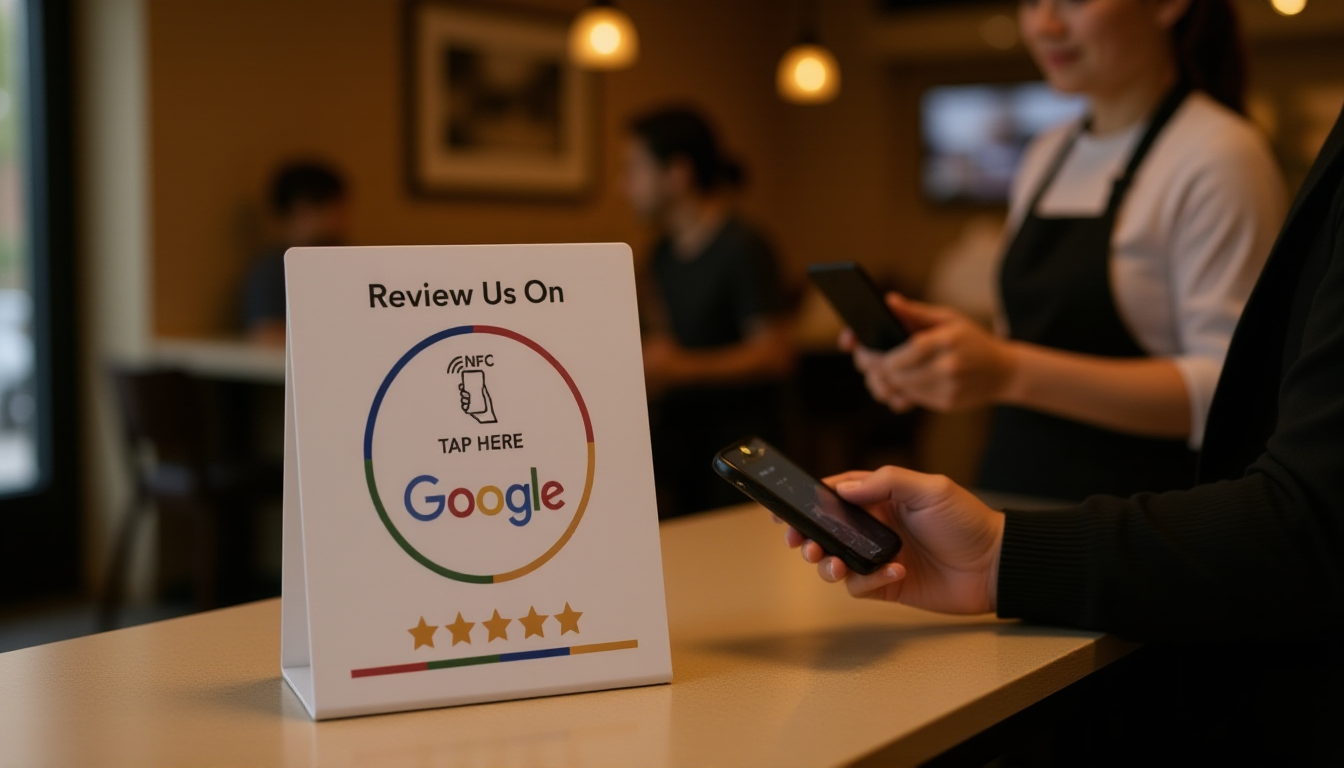
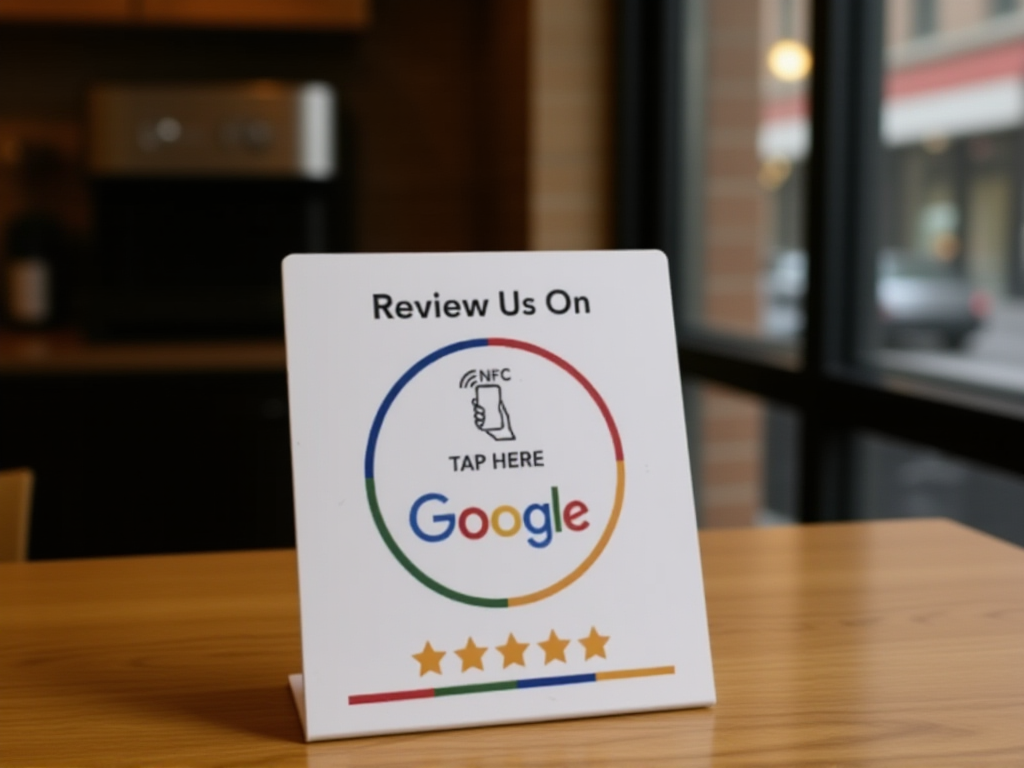
Both technologies support similar actions: opening websites, displaying information, or prompting reviews. For businesses seeking Google reviews, NFC review cards offer an elegant solution—customers tap a small card on your counter, and their phone opens directly to your review page without typing or searching.
Cost and Implementation Realities
QR codes win on initial cost. You can generate them for free and print them anywhere—menus, stickers, posters, or receipts. The barrier to entry is virtually zero. Need to change the destination? Generate a new code and reprint.
NFC requires physical hardware with embedded chips. Cards, tags, or stands cost more upfront, though prices have dropped significantly. Quality NFC review cards typically range from $25 to $170 depending on design and quantity. The investment is higher, but the technology lasts years without degradation—unlike printed QR codes that fade, tear, or become damaged.
Dynamic QR codes (which let you change the destination without reprinting) often require paid subscriptions. Static QR codes are permanent but inflexible. NFC tags can usually be reprogrammed, offering more versatility.
Where Each Technology Excels
QR codes shine in print advertising, packaging, and large-format displays. They work at any distance a camera can focus, making them ideal for posters, billboards, or product labels. They're also perfect when you need to distribute codes widely without significant investment.
NFC excels at point-of-service interactions. Reception desks, retail counters, restaurant tables, and service vehicles benefit from the premium feel and instant action. The technology signals modernity and care about customer experience. For collecting feedback or reviews, NFC removes friction at the exact moment when customer satisfaction is highest.
Security and Privacy Considerations
NFC offers inherent security advantages. The close-proximity requirement (typically under 4cm) makes it nearly impossible to activate accidentally or from a distance. Users maintain physical control over when and what they interact with.
QR codes can be visually scanned from farther away, and malicious actors have been known to place stickers with harmful QR codes over legitimate ones. Users should verify the destination URL before tapping through, though most don't. Both technologies can link to secure or insecure destinations—the format itself isn't the primary security concern.
Practical tip: Don't choose based on trends—choose based on context. If you're creating printed materials for wide distribution, QR codes make sense. If you want to create premium touchpoints where customers already interact with your business, NFC delivers better experiences and higher conversion rates.
The best marketing strategy might use both. QR codes on your window for after-hours engagement, NFC at your counter for in-person customers. Each technology has earned its place in modern marketing—understanding when to use which gives you a genuine competitive advantage.
Ready to collect more reviews?
The ReviewCard ships across Europe, starting at €24.95. No subscription, ever.
See pricing