
Reputation Management for Small Business: A Practical Guide
Your business reputation isn't just what you say about yourself—it's what your customers say about you online. For small businesses, reputation management has become just as important as the quality of your products or services. One negative review left unanswered can cost you dozens of potential customers, while a strong collection of positive feedback can be your most powerful marketing tool.
The good news? You don't need a corporate marketing budget to manage your reputation effectively. With the right approach and consistent effort, any small business can build and maintain a positive online presence that drives growth.
Understanding What Reputation Management Really Means
Reputation management for small businesses goes beyond simply collecting positive reviews. It's the ongoing process of monitoring what people say about your business online, responding appropriately to both praise and criticism, and actively working to shape the narrative around your brand.
This includes managing your presence on Google Business Profile, Facebook, Yelp, and industry-specific review platforms. It also means keeping an eye on social media mentions and addressing customer concerns before they escalate. For small businesses, reputation management is particularly critical because you're often competing against larger companies with established brand recognition—your reviews and local reputation become your competitive advantage.
The Foundation: Making It Easy for Happy Customers to Leave Reviews
Most satisfied customers won't leave a review unless you make it incredibly simple and remind them at the right moment. This is where many small businesses struggle—they know reviews matter, but they don't have a systematic way to request them.
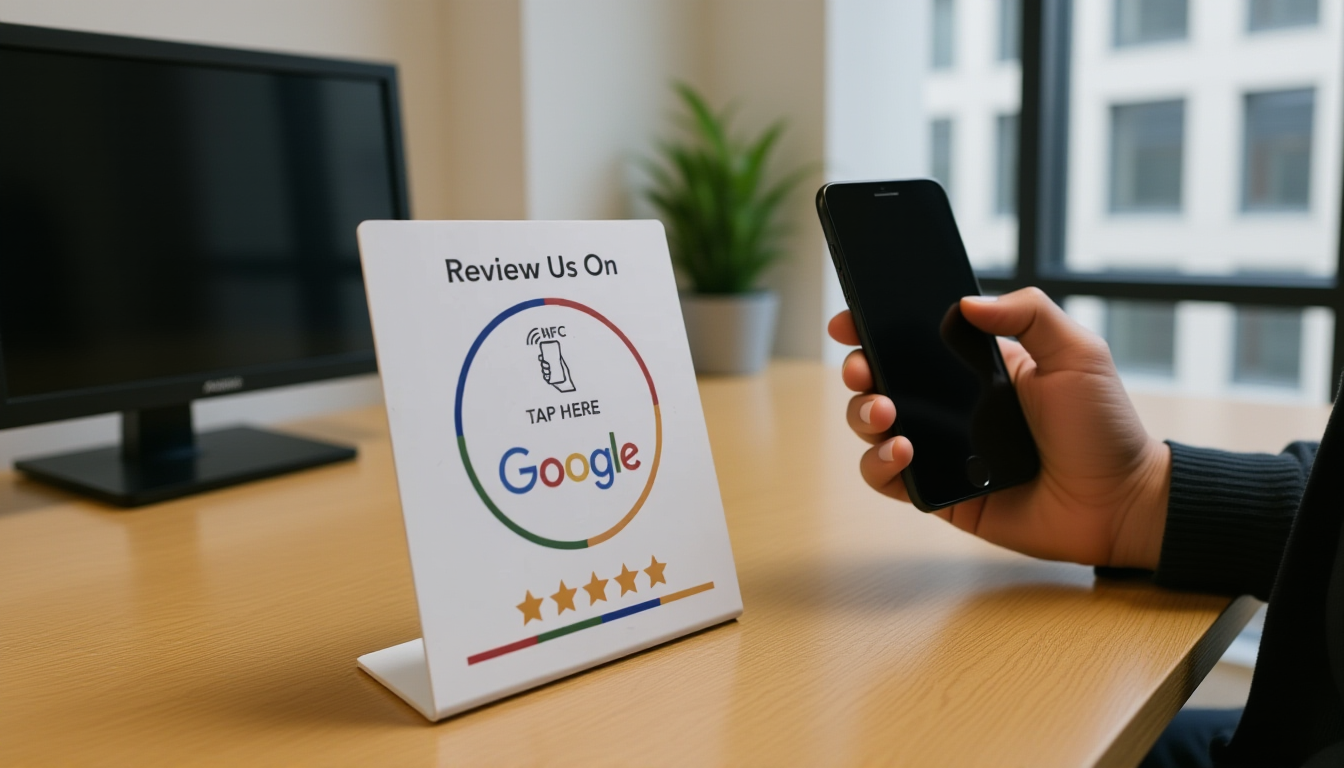
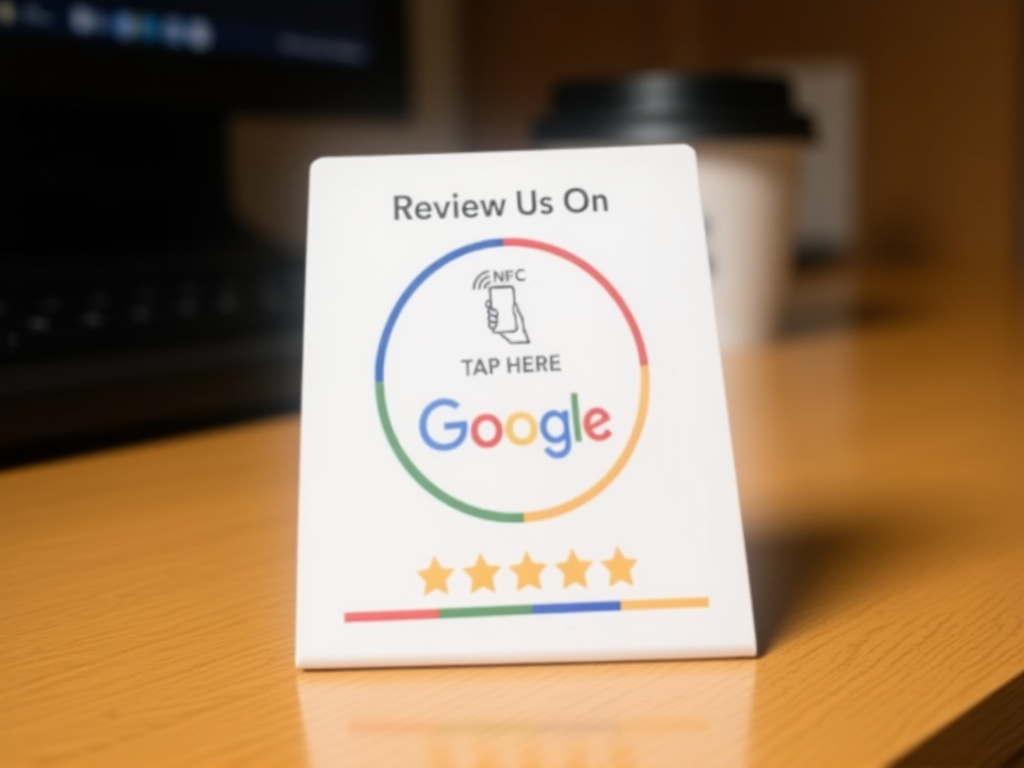
The timing matters as much as the method. Ask for a review when the customer is still experiencing the positive emotion of your service—right after a successful transaction, a completed service, or a solved problem. Tools like NFC review cards on your counter can capture reviews at this crucial moment by letting customers tap their phone and immediately land on your Google review page with zero friction.
Consider multiple touchpoints: a friendly in-person request, a follow-up email or text message, and physical reminders at your location. The key is persistence without being pushy—make the process so easy that leaving a review takes less effort than ignoring your request.
Responding to Reviews: Your Most Visible Customer Service
How you respond to reviews might be more important than the reviews themselves. Potential customers read your responses to gauge how you treat people and handle problems. A thoughtful response to a negative review can actually build more trust than a dozen positive reviews with no engagement.
For positive reviews, keep responses genuine and specific—reference something particular about their experience rather than using a generic template. For negative reviews, respond quickly, take responsibility where appropriate, and offer to resolve the issue offline. Never argue or get defensive in public responses.
Set a goal to respond to every review within 24-48 hours. This shows both the reviewer and potential customers that you're actively engaged and care about feedback. Even a brief, sincere response is better than silence.
Monitoring Your Online Presence Across Platforms
You can't manage what you don't measure. Set up a simple monitoring system to track mentions of your business across review sites, social media, and search results. Google Alerts for your business name is a free starting point, and most review platforms will send notifications when new reviews arrive.
Check your main platforms weekly at minimum—Google Business Profile, Facebook, and any industry-specific sites where your customers might leave feedback. Look for patterns in the feedback you're receiving. If multiple customers mention the same issue, that's actionable intelligence about where to improve your business.
Keep a simple spreadsheet tracking your review volume, average rating, and response rate over time. This data helps you see whether your reputation management efforts are working and can reveal seasonal patterns or the impact of specific business changes.
Turning Reputation Management Into a Business Habit
The businesses that succeed with reputation management treat it as an ongoing process, not a one-time project. Build it into your regular operations—make asking for reviews part of your standard customer interaction, schedule time each week for monitoring and responding, and train your entire team on why online reputation matters.
Consider designating one team member as your reputation manager, or if you're a solo operation, block out specific time each week for this work. Like any business discipline, consistency beats intensity—fifteen minutes three times per week is more effective than a marathon session once per month.
Quick Win: Start today by claiming and fully completing your Google Business Profile if you haven't already. Add photos, complete every section, and enable messaging. Then set up a simple NFC review card at your checkout counter or service desk. These two actions alone will immediately improve how easily customers can find and review your business.
Your reputation is being formed whether you're actively managing it or not. The question isn't whether to invest time in reputation management—it's whether you'll shape that reputation intentionally or leave it to chance. For small businesses competing in local markets, taking control of your online presence isn't optional anymore. It's how customers decide where to spend their money.
Ready to collect more reviews?
The ReviewCard ships across Europe, starting at €24.95. No subscription, ever.
See pricing