
Review Card ROI: What Small Businesses Actually Earn Back
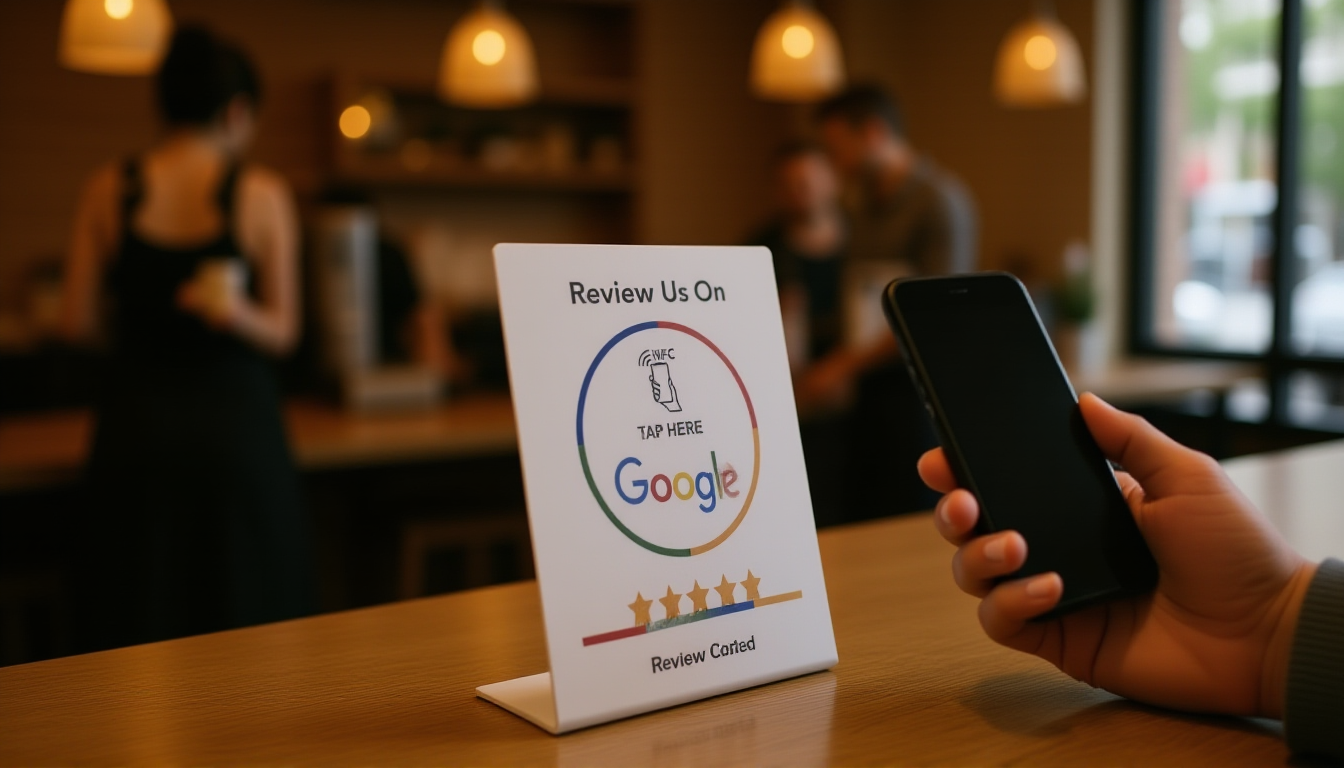
Every marketing investment needs to justify itself, and review collection tools are no exception. If you're considering a physical review card for your business, you're probably wondering: what's the actual return on investment? Let's break down the real numbers, realistic expectations, and how to measure whether this tool pays for itself.
The Basic Math Behind Review Card ROI
Calculating ROI for a review card starts with understanding what you're measuring. The initial cost is straightforward—typically a one-time purchase between $25 and $170 depending on quantity and features. The returns, however, come in several forms: increased review volume, improved star ratings, higher conversion rates from search, and the time saved versus manual review requests.
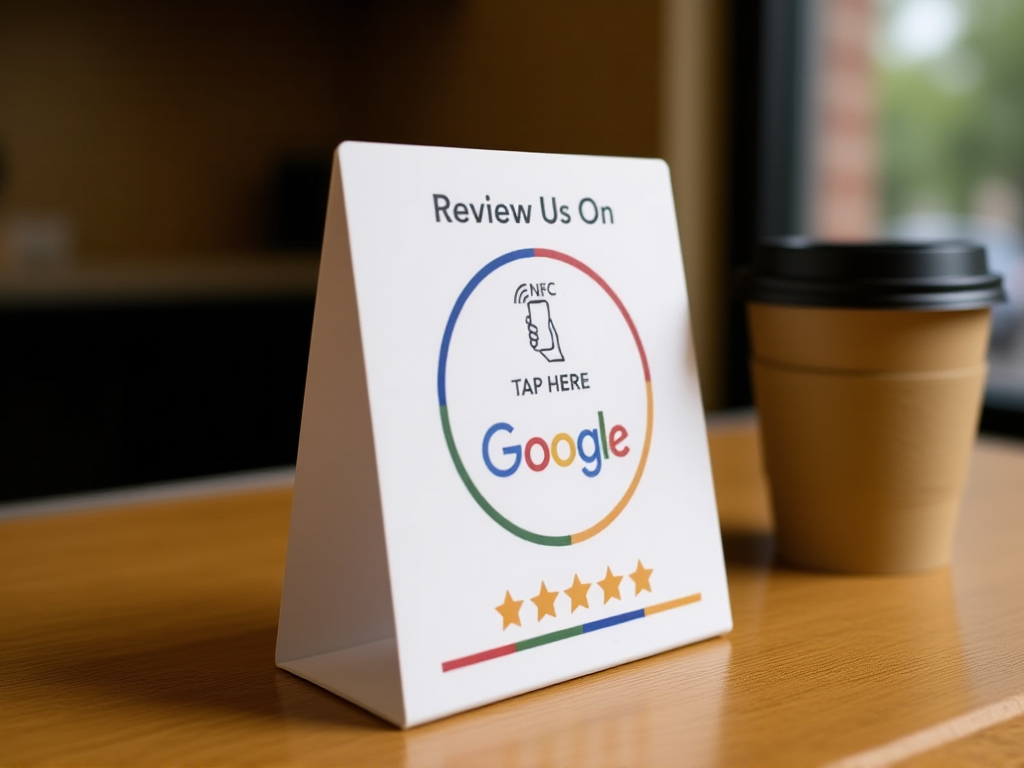
A useful baseline: if your average customer transaction is $50 and online reviews influence just one additional customer per month to choose your business over a competitor, that's $600 annually. For most businesses, a review card pays for itself within the first few months when you factor in the lifetime value of customers influenced by better online reputation.
What Actually Drives Returns
The ROI of any review tool depends heavily on execution. Simply having an NFC review card sitting on your counter won't automatically generate results—you need a team that mentions it at the right moment. Businesses that see the strongest returns typically prompt customers verbally: "We'd love your feedback—just tap your phone on this card when you have a moment."
Timing matters enormously. The highest conversion happens when customers are asked immediately after a positive experience or successful transaction, when satisfaction is fresh. Businesses that integrate the ask into their checkout routine consistently outperform those that leave cards unmentioned.
Placement also impacts results. A card positioned where customers naturally pause—near the register, at the exit, or on a service desk—gets significantly more engagement than one tucked in a corner. The easier you make it, the better your returns.
Realistic Expectations and Benchmarks
Most small businesses see a 3-5x increase in review volume within the first three months of using a dedicated review collection system compared to passive methods. However, this assumes consistent use and staff buy-in. If you're currently getting two reviews per month organically, a reasonable expectation is six to ten reviews monthly with an active approach.
The quality of reviews typically improves as well, because you're capturing feedback from satisfied customers who might not have taken the time otherwise. This shift in your review mix—more positive voices joining the conversation—often has a greater business impact than raw volume alone.
For context: according to research by Harvard Business School, a one-star increase in Yelp rating leads to a 5-9% increase in revenue for independent restaurants. While your specific results will vary by industry and market, the principle holds across sectors: better reviews drive real business growth.
The Hidden Value: Time Savings
Beyond direct revenue impact, consider the operational efficiency. Many businesses spend considerable time sending follow-up emails, text messages, or manually asking customers for reviews. A physical prompt at point of service eliminates much of this labor.
If you're currently spending even 30 minutes per week on review requests and follow-up, that's roughly 25 hours annually—time that could be spent on customer service, operations, or growth activities. For a business owner or manager whose time is worth $30-50 per hour, that's $750-1,250 in reclaimed value each year.
Measuring Your Actual Returns
To truly understand your review card ROI, track these metrics before and after implementation:
- Monthly review volume (Google, and other platforms if applicable)
- Average star rating trend over time
- Percentage of customers who tap when prompted
- New customer inquiries that mention reviews
- Search ranking for key local terms
Set a baseline before you start, then check progress monthly for at least six months. The most significant impact on customer decisions and search visibility often takes 3-6 months to fully materialize as your review profile builds.
Practical Tip: Don't judge success by tap rate alone—even a 10-15% conversion from asks to completed reviews represents strong performance. Focus on consistency over perfection, and remember that every additional review compounds your online credibility.
The bottom line: for most small businesses with any level of customer interaction, a review card delivers measurable positive ROI within the first quarter, with benefits that compound over time. The key is treating it as a tool that requires active use, not a passive fixture. When integrated into your customer experience thoughtfully, it becomes one of the highest-return marketing investments available to local businesses.
Ready to collect more reviews?
The ReviewCard ships across Europe, starting at €24.95. No subscription, ever.
See pricing