
Review Request Timing: When to Ask for Customer Feedback
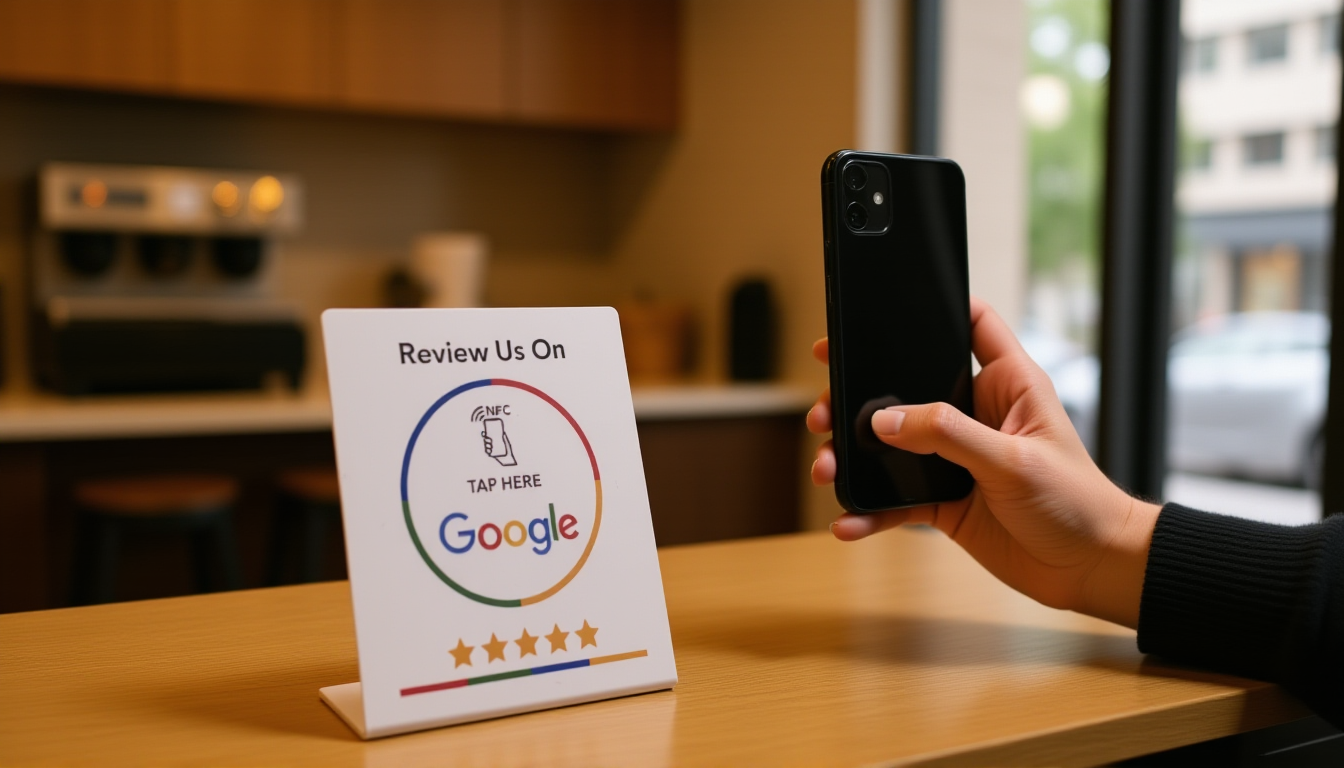
Asking for a review at the wrong moment can mean the difference between a glowing five-star testimonial and complete silence. The timing of your review request directly impacts whether customers follow through, yet many businesses treat it as an afterthought. Understanding when and how to ask transforms review collection from a hopeful gesture into a reliable system.
The Golden Window: Immediately After Service
The most effective time to request a review is within minutes of completing a transaction or service. Customer satisfaction peaks when the positive experience is fresh in their mind, and the effort required feels minimal. A patron who just enjoyed an excellent meal, received a helpful consultation, or completed a smooth checkout is emotionally primed to share that experience.

This immediate approach works particularly well for in-person businesses. Restaurants, salons, retail shops, and service providers can capitalize on face-to-face interactions by making the request part of the natural checkout flow. Physical tools like NFC review cards positioned at the point of sale remove friction entirely—customers simply tap their phone and leave feedback in seconds, requiring no business cards to carry home or emails to remember.
The Follow-Up Timeline for Service-Based Businesses
Not every business should ask immediately. For services where results unfold over time—home repairs, medical treatments, consulting projects—the optimal window shifts. Customers need enough time to evaluate the outcome, but not so much that details fade or competing experiences overshadow yours.
A useful framework: request feedback once the customer has experienced the primary benefit. A plumber should wait until the client confirms the leak stayed fixed (24-48 hours). A fitness trainer might wait one week after a successful milestone. B2B consultants often wait 2-3 weeks after project delivery. The key is identifying when your specific value becomes clear, then acting promptly within that window.
Digital Timing: Email and SMS Considerations
For businesses using email or text message requests, timing involves both when you send and how you structure the message. Research consistently shows that review requests sent within 24 hours of service outperform those sent a week later, with response rates dropping approximately 50% after three days.
Day and time matter too. Tuesday through Thursday between 10 AM and 2 PM typically generates better engagement than weekend requests or Monday mornings. Evening sends (6-8 PM) work well for consumer services, while B2B requests perform better during standard business hours. Test different windows with your specific audience and track what works.
Avoiding Request Fatigue
Frequency matters as much as timing. Bombarding customers with multiple review requests—especially automated sequences that don't acknowledge previous responses—damages relationships and triggers spam filters. Establish clear rules: one request per transaction, with a cooldown period for repeat customers.
For regular clients, space review requests at meaningful intervals. A monthly subscriber shouldn't receive a review prompt every single month. Instead, request feedback after the first month, then again after six months or following a significant positive interaction. Quality reviews from genuinely engaged customers outweigh quantity from annoyed ones.
Reading the Room: Contextual Timing
Even perfect timing by the clock fails if the context is wrong. Never request reviews immediately after resolving a complaint, during a stressful checkout process, or when a customer appears rushed or distracted. Emotional intelligence trumps automation.
Train staff to recognize moments when customers express unprompted satisfaction—"This was exactly what I needed" or "You really helped me out." These verbal cues signal ideal review request opportunities. An NFC review card on the counter allows staff to gesture naturally toward it: "We'd love to hear about your experience if you have a quick moment."
Quick Timing Checklist:
- In-person services: Ask within 5 minutes of completion
- Product delivery: Request 24-48 hours after confirmed receipt
- Service results: Wait until primary benefit is experienced
- Repeat customers: Space requests 3-6 months apart minimum
- Always: Read emotional cues before asking
Getting review request timing right doesn't require complex systems or expensive software. It requires understanding your customer journey, identifying the moment satisfaction peaks, and removing friction from the response process. Whether you use immediate in-person requests, strategically timed emails, or a combination approach, consistency and respect for your customer's time will always yield the best results.
Ready to collect more reviews?
The ReviewCard ships across Europe, starting at €24.95. No subscription, ever.
See pricing